Frequent Canker Sores? Check These Vitamin Deficiencies
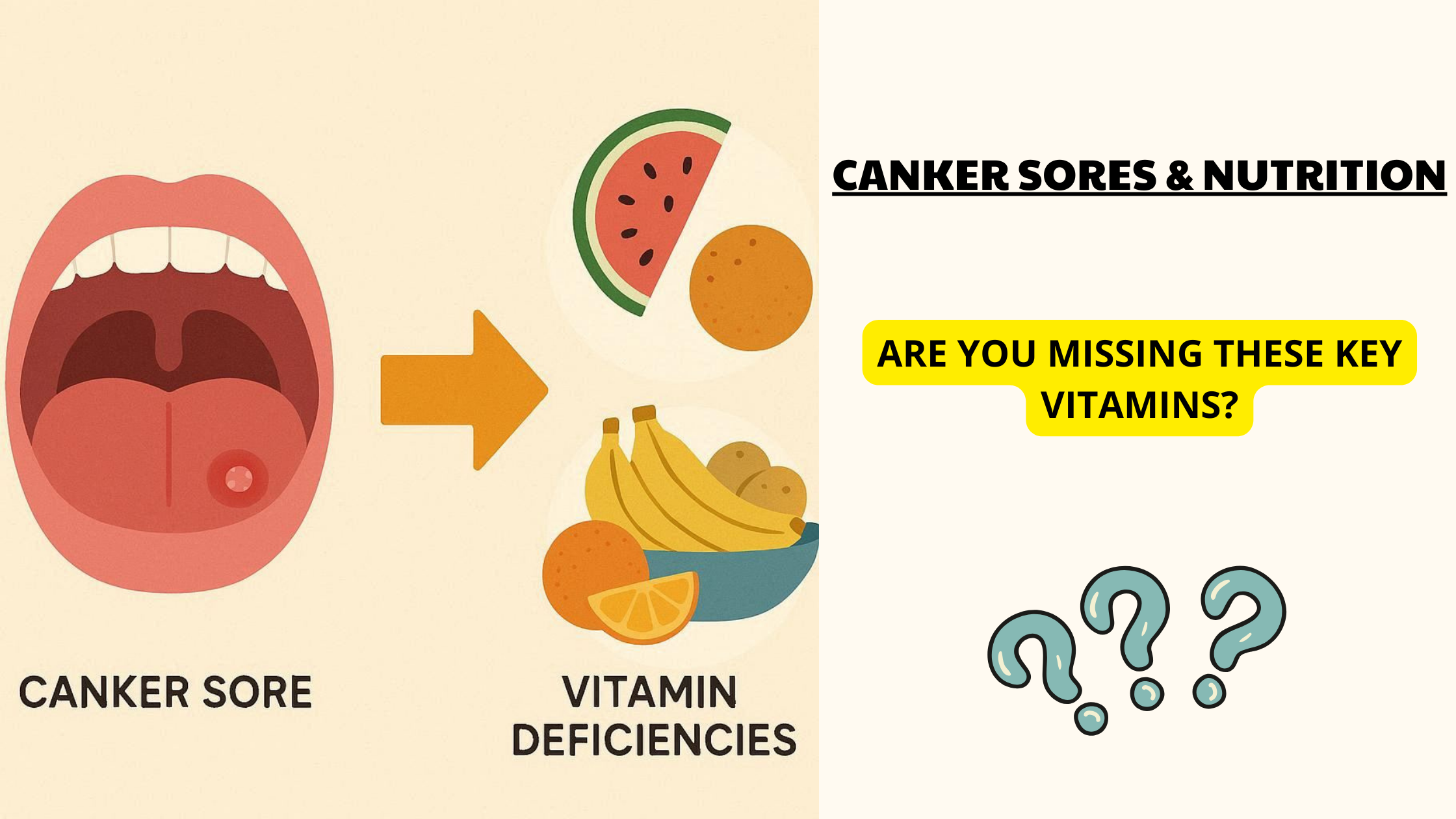 Canker sores are small, painful ulcers that can appear anywhere inside the mouth. They usually heal on their own without treatment, but they tend to come back—and that’s what makes them so annoying.
The exact reason why canker sores appear and keep coming back in some people is still not fully understood. However, certain factors are known to trigger these outbreaks, and nutritional deficiencies are one of them.
Research shows that people who suffer from frequent canker sores are more likely to have one or more deficiencies, especially iron, B-complex vitamins, vitamin D, and vitamin C.
In this article...
1. Deficiencies in B-Complex Vitamins and Canker Sores
2. Vitamin D Deficiency and Canker Sores
3. Vitamin C Deficiency and Canker Sores
4. Iron Deficiency and Canker Sores
Takeaway
1. Deficiencies in B-Complex Vitamins and Canker Sores
Your body needs a steady supply of vitamins and minerals to function properly. While it can produce a few nutrients on its own, most must come from your diet.B-complex vitamins act like keys that allow your body to unlock vital metabolic reactions. When these vitamins are lacking, everyday bodily functions start to suffer—such as energy production, nerve repair, cell maintenance, and red blood cell formation. This can lead to constant fatigue, weakness, tingling in the hands and feet, mouth soreness, and various skin problems.
Among the B vitamins, deficiencies in vitamin B9 (folate) and vitamin B12 are most commonly linked to mouth sores. Both are also involved in a form of anemia known as megaloblastic anemia.
Interestingly, the mouth often shows early warning signs of low B9 or B12 levels. People with these deficiencies commonly experience:
- A sore or inflamed mouth with a burning sensation
- Thinning of the mouth lining that becomes unusually sensitive
- Frequent canker sore outbreaks
- A red, smooth-looking tongue (a condition called glossitis)
Multiple studies have found a strong link between vitamin B12 deficiency and recurrent canker sores. Correcting this deficiency often leads to dramatic improvement—and even complete resolution.
How to Get Enough B Vitamins
If you notice signs that may point to a B9 or B12 deficiency—such as a sore mouth, tingling sensations, chronic fatigue, or symptoms of anemia—the only way to tell for sure is through blood tests.
If a deficiency is confirmed, your physician will guide you through a specific protocol to restore B9 or B12 levels to normal. This isn’t a one-time fix. Treatment usually takes several weeks or even months. The good news is that once the deficiency is corrected, and if it was truly the cause of your canker sores, often significant improvement is noticed.
The simplest and most effective way to get enough vitamin B9 and B12 is through your diet. Here are some good food sources of folate (B9) and vitamin B12:
| Food | Vitamin B9 (Folate) | Vitamin B12 |
|---|---|---|
| Spinach (½ cup cooked) | ≈ 65% | — |
| Lentils (½ cup cooked) | ≈ 45% | — |
| Avocado (1 medium) | ≈ 30% | — |
| Beef liver (90 g) | ≈ 50% | ≈ 1,200% |
| Salmon (90 g) | ≈ 10% | ≈ 80% |
| Egg (1 large) | ≈ 5% | ≈ 25% |
| Milk (1 cup) | ≈ 3% | ≈ 45% |
2. Vitamin D Deficiency and Canker Sores
Vitamin D deficiency is extremely common worldwide and is often considered a pandemic. This should be taken seriously because vitamin D is not just a simple vitamin—it functions more like a hormone in the body.Beyond helping with calcium absorption and bone strength, vitamin D plays a key role in immune regulation and acts as an antioxidant. It helps the body fight infections while keeping the immune system from overreacting, which is essential in preventing inflammatory and autoimmune conditions.
This supports the idea that low vitamin D levels may contribute to canker sores, since these are a form of hyperactive inflammatory response.
Several studies have shown that people who experience frequent canker sores tend to have lower blood levels of vitamin D compared to those who don’t.
This may also explain why canker sores often flare up during periods of stress. The stress hormone “Cortisol” can interfere with vitamin D activation and function. At the same time, vitamin D helps regulate stress.
When vitamin D levels are low, stress can increase, which further reduces vitamin D activity, creating a vicious cycle.
How to Get Enough Vitamin D
If your blood vitamin D level is low, you will need to follow a supplementation protocol to bring it back to normal.
In cases of severe deficiency, higher doses may be needed during the initial months. These doses are then gradually reduced once healthy levels are reached.
Vitamin D deficiency is more common in people with limited sun exposure. The easiest and most cost-effective way to meet your daily vitamin D needs is to let your body produce it naturally through short periods of sunlight exposure each day.
3. Vitamin C Deficiency and Canker Sores
Vitamin C is a powerful antioxidant with well-known anti-aging effects. It also supports proper immune function and plays a crucial role in collagen production. Collagen is the main building block protein of the body’s soft tissues, including the lining inside your mouth. This is why vitamin C is also essential for wound healing and repair.When vitamin C levels are low, the mouth is often one of the first places to show signs. Deficiency can lead to bleeding and inflamed gums, an increased risk of bone loss around the teeth, delayed wound healing, and frequent small, painful ulcers.
How to Get Enough Vitamin C
Your body cannot produce vitamin C on its own—it must come from your diet. Here are some good sources:
| Food | Vitamin C (% Daily Value) |
|---|---|
| Orange (1 medium) | ≈ 70% |
| Strawberries (1 cup, halved) | ≈ 100% |
| Kiwi (1 medium) | ≈ 85% |
| Bell Pepper (½ cup, raw, red) | ≈ 95% |
| Broccoli (½ cup, cooked) | ≈ 50% |
| Tomato (1 medium) | ≈ 25% |
| Papaya (½ cup) | ≈ 55% |
4. Iron Deficiency and Canker Sores
Iron isn’t a vitamin, but many studies have strongly linked iron deficiency to canker sores. In fact, it’s the most common nutrient deficiency worldwide. Iron is a crucial mineral that helps carry oxygen in red blood cells to tissues throughout the body.When iron levels are low, oxygen delivery to tissues—including the mouth—decreases. This can also lead to iron-deficiency anemia.
As a result, cell function is impacted, which can make the lining of the mouth thinner, more delicate, and more prone to inflammation, ulceration, injuries, and other lesions.
This can be one the reasons why canker sores are more common in women than men. Women are more susceptible to iron deficiency and iron-deficiency anemia due to blood loss during their menstrual cycle.
Addressing iron deficiency through appropriate supplementation or dietary changes can often reduce or even prevent the recurrence of canker sores.
How to Get Enough Iron
Here are some great sources of iron:
| Food | Iron (% Daily Value) |
|---|---|
| Beef liver (90 g) | ≈ 180% |
| Red meat, cooked (90 g) | ≈ 15% |
| Chicken, cooked (90 g) | ≈ 8% |
| Spinach, cooked (½ cup) | ≈ 20% |
| Lentils, cooked (½ cup) | ≈ 15% |
| Chickpeas, cooked (½ cup) | ≈ 12% |
| Tofu (100 g) | ≈ 20% |
| Pumpkin seeds (30 g) | ≈ 23% |
Takeaway
The exact cause of canker sores is still not fully understood, but we do know they are more common in people with certain food sensitivities, stress, genetic predispositions, and nutritional deficiencies.Your mouth is a window into your overall health, and frequent canker sores can be a signal that your body is lacking key nutrients.
If you’re among the many who experience canker sores several times a year, nutritional deficiencies should always be suspected—because they are the easiest problem to address. In many cases, a simple supplement can bring quick and complete relief.
- Case Report: Recurrent aphthous stomatitis responds to vitamin B12 treatment - PMC
- Frontiers | Hypovitaminosis and its association with recurrent aphthous stomatitis: a comprehensive review of clinical correlations and diagnostic considerations
- Vitamin D levels in patients with recurrent aphthous stomatitis | BMC Oral Health
- Is vitamin D deficiency a risk factor for recurrent aphthous stomatitis? A systematic review and meta‐analysis - Al‐Maweri - 2020 - Oral Diseases - Wiley Online Library